Plantar Fasciitis: What It Is and How to Treat It
What is plantar fasciitis?
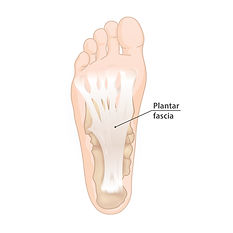
Plantar fasciitis is one of the most common causes of heel pain. It happens when the plantar fascia — a thick, ribbon-like band of tissue that runs along the bottom of your foot from your heel to the base of your toes — becomes irritated and inflamed.
This band acts like a shock absorber and helps support the arch of your foot every time you take a step. When it's overloaded or stretched too far, tiny tears can develop, and the tissue becomes painful and stiff.
What does it feel like?
The classic sign is a sharp, stabbing pain in the heel or along the arch, especially with your first few steps in the morning or after sitting for a long time. The pain often eases up once you've been moving around, but it tends to return after standing for long periods or at the end of a busy day.
Some people describe it as feeling like they're stepping on a stone or a bruise. It usually affects one foot, but both can be involved.
Why does it happen?
Plantar fasciitis is generally an overuse problem rather than a sudden injury. Common contributors include:
-
A sudden increase in activity — ramping up running, walking, or time on your feet faster than your body can adapt
-
Tight calf muscles or Achilles tendons, which pull on the heel and increase strain on the fascia
-
Foot mechanics — having very flat feet or high arches can change how forces are distributed
-
Footwear that lacks support, or walking barefoot on hard surfaces
-
Jobs that involve long hours standing on hard floors (teachers, nurses, factory workers, hospitality)
-
Weight gain or carrying extra body weight, which adds load to the fascia
-
Age — it's most common between 40 and 60
What helps?
The good news is that most cases settle with conservative treatment. It can take a few months to fully resolve, so patience and consistency matter more than any single quick fix.
Things you can start doing today:
-
Calf and plantar fascia stretches, several times a day. Rolling your foot over a frozen water bottle or a tennis ball is a simple way to combine stretching and pain relief.
-
Supportive shoes with cushioned soles and good arch support. Avoid walking barefoot on hard floors, especially first thing in the morning — keep a pair of supportive slippers or sandals by the bed.
-
Reduce high-impact activities temporarily. Swap running for cycling or swimming while things settle.
-
Ice the painful area for 10–15 minutes after activity.
-
Over-the-counter pain relief like ibuprofen can help short-term, if it's safe for you to take.
If the pain isn't improving after a few weeks, further options include:
-
Physiotherapy to address calf tightness, foot mechanics, and load tolerance
-
Custom or off-the-shelf orthotic insoles
-
Night splints that keep the fascia gently stretched while you sleep
-
Shockwave therapy
-
Steroid injections (used selectively — they can help but aren't a first-line treatment)
Surgery is rarely needed and is only considered when symptoms persist for many months despite thorough conservative treatment.
When should I see someone about it?
Book an appointment if:
-
The pain has lasted more than a couple of weeks despite rest and stretching
-
It's stopping you sleeping, working, or exercising
-
You have numbness, tingling, or a sudden severe pain (this suggests something other than plantar fasciitis)
-
You have diabetes or another condition affecting your circulation or nerves
A proper assessment can confirm the diagnosis, rule out other causes of heel pain, and tailor a plan to your specific foot and lifestyle.